Choosing the best wet cat food is a crucial decision for any cat owner dedicated to their feline friend’s health and happiness. Unlike dry kibble, wet food offers higher moisture content, which is vital for a cat’s hydration and can help prevent common urinary tract issues. Cats, by nature, don’t have a strong thirst drive, so getting water from their food is essential. Beyond hydration, wet food often mimics a cat’s natural prey diet more closely, providing a rich source of protein and nutrients in a palatable format. But with so many options available, how do you know which brands and formulas truly stand out? This guide will explore the key factors to consider when selecting wet cat food, break down essential ingredients, and highlight some of the top choices that cater to different feline needs and preferences, ensuring your cat receives the best possible nutrition.
Why Wet Food Is Essential For Your Cat
Cats are obligate carnivores, meaning their diet must consist primarily of meat. Wet cat food aligns well with this biological need. The high protein content in wet food supports muscle development, energy levels, and overall bodily functions. Furthermore, the moisture content in wet food is a significant advantage.
A cat’s natural tendency is to get most of its water from prey. In the wild, a mouse might be 70% water. Dry kibble, on the other hand, contains very little moisture, typically around 10%. This low moisture can put a strain on a cat’s kidneys and urinary system over time.
Hydration Benefits
The most significant benefit of wet cat food is its high moisture content, often ranging from 70% to 80%. This extra water intake is crucial for several reasons:
- Kidney Health: Adequate hydration helps the kidneys function efficiently, flushing out toxins and waste products. Low moisture intake is a known risk factor for feline lower urinary tract disease (FLUTD) and kidney stones.
- Urinary Tract Health: For cats prone to urinary issues, the increased water helps dilute urine, making it less concentrated and less likely to form crystals or cause irritation.
- Overall Well-being: Proper hydration is essential for digestion, nutrient absorption, temperature regulation, and maintaining healthy skin and coat.
Nutritional Advantages
Wet cat food typically offers a higher protein-to-carbohydrate ratio compared to dry food. This is more aligned with a cat’s natural diet.
- Protein Source: Look for named meat sources like chicken, turkey, salmon, or beef as the primary ingredients. These provide essential amino acids, such as taurine, which is vital for heart health and vision in cats.
- Lower Carbohydrates: Many wet foods are naturally lower in carbohydrates than dry kibble, which can be beneficial for weight management and for cats with diabetes.
- Palatability: The texture and aroma of wet food are often more appealing to cats, making it an excellent choice for picky eaters or older cats with a diminished sense of smell.
Understanding Cat Food Ingredients
When you’re looking at the ingredient list on a can of wet cat food, it’s important to know what to look for and what to avoid. The first few ingredients usually make up the bulk of the food.
What To Look For
- Named Meat Sources: The first ingredient should ideally be a specific meat, such as “chicken,” “turkey,” “salmon,” or “beef.” Avoid generic terms like “meat by-products” or “animal digest” as the primary ingredient.
- High Protein Content: Aim for foods with at least 8-10% protein for adult cats. Kittens will require even more.
- Moderate Fat Content: Fat provides energy and essential fatty acids. A moderate fat level (around 4-6%) is generally suitable for most adult cats.
- Vitamins and Minerals: Essential nutrients like taurine, Vitamin A, Vitamin D, and B vitamins are crucial for a cat’s health.
- Moisture: As discussed, high moisture content is a key benefit.
What To Avoid (or Minimize)
- Fillers: Ingredients like corn, wheat, and soy can be used as fillers. While not always harmful in small amounts, they offer less nutritional value for cats and can be common allergens.
- Artificial Colors, Flavors, and Preservatives: These offer no nutritional benefit and can sometimes cause sensitivities in cats. Natural preservatives like Vitamin E (tocopherols) are preferred.
- Excessive Carbohydrates: Cats don’t require a high carbohydrate intake. Foods with a long list of grains or starches as primary ingredients might not be ideal.
- Vague Ingredient Terms: “Meat by-products” can include various animal parts, some of which might be less nutritious. While not all by-products are bad, named sources are generally better.
Types Of Wet Cat Food
Wet cat food comes in various textures and forms, each catering to different cat preferences.
Pate
Pate is a smooth, finely ground mixture. It’s often very palatable and easy for kittens, older cats, or cats with dental problems to eat. Pates can be dense, so portion control is important for weight management.
Chunks In Gravy/sauce
These foods feature distinct pieces of meat in a flavorful gravy or sauce. They offer a different texture that many cats enjoy. The gravy itself contributes to the cat’s overall moisture intake.
Shredded/flaked
Similar to chunks, these consist of finely shredded or flaked pieces of meat, often in a broth or gravy. This texture can be appealing to cats who prefer a less uniform bite.
Whole Pieces
Some premium foods offer larger, more identifiable pieces of meat in a light broth. This can be the closest to a cat’s natural prey diet.
Key Considerations When Choosing
Beyond ingredients and texture, several other factors influence the best wet cat food choice for your specific cat.
Age And Life Stage
- Kittens: Need food with higher calories, protein, and specific nutrients like DHA for brain and eye development. Kitten-specific formulas are recommended.
- Adult Cats: Require balanced nutrition for maintenance.
- Senior Cats: May benefit from food with lower phosphorus levels (for kidney health), added joint support (like glucosamine), and potentially fewer calories if they are less active.
- Special Needs Cats: Cats with medical conditions like kidney disease, diabetes, or allergies will require veterinarian-recommended therapeutic diets.
Health Conditions And Sensitivities
- Allergies: If your cat shows signs of allergies (itching, digestive upset), you might need to try limited ingredient diets or novel protein sources (like duck or venison) to identify and avoid triggers.
- Weight Management: For overweight cats, look for “light” or “weight control” formulas that are lower in calories and fat but still high in protein.
- Urinary Health: Foods specifically formulated for urinary tract health often have controlled mineral levels and increased moisture.
- Digestive Issues: Sensitive stomach formulas might use highly digestible proteins and added fibers.
Budget
Wet cat food can range significantly in price. While premium brands often use higher-quality ingredients, there are good mid-range options available. It’s about finding the best balance of quality, nutrition, and affordability for your situation.
Top Wet Cat Food Brands And Products
Choosing the absolute “best” is subjective, as individual cats have unique preferences and needs. However, some brands consistently receive high marks for quality ingredients, nutritional balance, and palatability. Here are a few highly regarded options that cater to various feline needs.
Purina Fancy Feast Gravy Lovers Poultry And Beef Grilled Gourmet Wet Cat Food Variety Pack
This variety pack from Purina Fancy Feast is a popular choice for its palatability and the convenience of offering different flavors. It features tender grilled morsels in a rich gravy. The primary ingredients are typically meat-based, such as poultry or beef, followed by water and gravy components. This food is designed to appeal to cats who love a savory gravy.
- Pros: High palatability, good variety of flavors, supports hydration.
- Cons: Can be higher in carbohydrates and potentially contain by-products further down the ingredient list. The gravy, while appealing, adds moisture but also potentially more sodium.
- Best for: Cats who are picky eaters and enjoy gravy-based foods.
Sheba Perfect Portions Wet Cat Food Pate With Sustainable Salmon, Signature Seafood Entree, And Tender White Fish And Tuna Entree Variety Pack
Sheba Perfect Portions offers a different approach with its individual, twin-pack servings. This helps ensure freshness and prevents waste. The pate texture is smooth and easy to eat. This variety pack includes flavors like sustainable salmon, seafood, and white fish and tuna. Sheba emphasizes quality protein sources.
- Pros: Convenient portion control, reduces waste, pate texture is easy to eat, uses specific fish names as primary ingredients.
- Cons: Some formulas might contain thickeners like carrageenan, which some owners prefer to avoid. The price point can be higher due to the packaging.
- Best for: Owners who want precise portion control and appreciate a smooth pate texture.
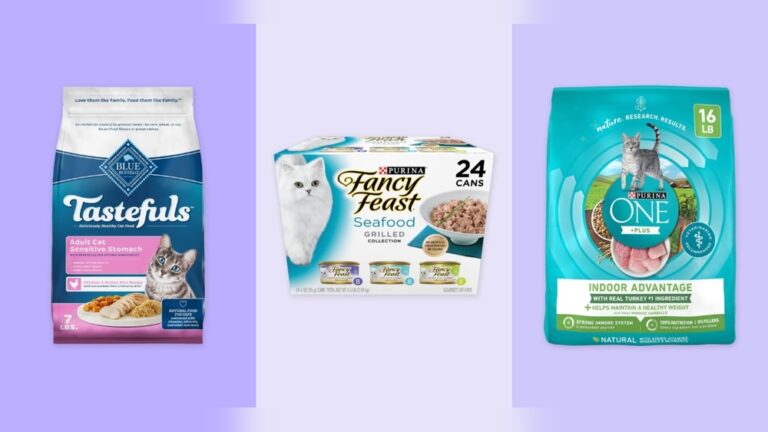
Purina Fancy Feast Grilled Wet Cat Food Seafood Collection In Wet Cat Food Variety Pack
Another offering from Purina Fancy Feast, this variety pack focuses on seafood flavors. It typically includes items like salmon, tuna, or shrimp, presented as grilled morsels in a savory broth. Like the Gravy Lovers pack, this option is designed for high palatability, making it a good choice for cats who might turn up their noses at other foods.
- Pros: Appealing to seafood lovers, good moisture content, offers variety.
- Cons: Similar to other Fancy Feast products, ingredient quality beyond the first few items can be a concern for some owners, and carbohydrate levels might be higher than in some premium brands.
- Best for: Cats who crave seafood flavors and enjoy a textured meal in broth.
Evaluating Cat Food Quality: Beyond The Marketing
It’s easy to be swayed by attractive packaging and marketing claims. However, a truly high-quality wet cat food is determined by its nutritional profile and ingredient sourcing.
The Importance Of Taurine
Taurine is an essential amino acid that cats cannot synthesize sufficiently on their own. It’s critical for heart function, vision, and reproduction. Most commercial cat foods are supplemented with taurine, but it’s always worth checking the guaranteed analysis or ingredient list. Deficiencies can lead to serious health problems, including dilated cardiomyopathy and blindness.
Guaranteed Analysis Explained
The guaranteed analysis on a cat food label provides minimum percentages of crude protein and crude fat, and maximum percentages of crude fiber and moisture.
- Crude Protein: A higher percentage is generally better for cats.
- Crude Fat: Provides energy and essential fatty acids.
- Crude Fiber: Indicates the indigestible portion of the food. Lower is usually better for cats.
- Moisture: Crucial for wet food. Higher percentages mean more hydration.
Understanding “by-products”
Animal by-products are parts of slaughtered mammals besides meat, such as organs, blood, bones, and intestines. While they can be nutritious (liver, for example, is rich in vitamins), the term “meat by-products” is vague. It’s better when the specific by-product is listed (e.
g. , “chicken liver”).
Making The Switch To Wet Food
If your cat is currently eating dry food, transitioning to wet food should be done gradually to avoid digestive upset.
- Start Slow: Mix a small amount of wet food with their usual dry food.
- Increase Gradually: Over several days to a week, slowly increase the ratio of wet food to dry food.
- Monitor Your Cat: Watch for any signs of vomiting, diarrhea, or refusal to eat. If issues arise, slow down the transition or try a different flavor or texture.
- Warm It Up: Slightly warming the wet food can enhance its aroma and palatability, making it more appealing to your cat.
Common Mistakes To Avoid
When selecting and feeding wet cat food, pet owners can sometimes make common errors.
- Ignoring Ingredient Quality: Focusing solely on price or brand name without checking the ingredient list can lead to feeding a food that isn’t nutritionally optimal.
- Not Considering Life Stage: Feeding a kitten food to a senior cat, or vice versa, can lead to nutritional imbalances.
- Abrupt Food Changes: Switching food too quickly can cause significant digestive upset. Always transition slowly.
- Overfeeding: Even healthy food can lead to obesity if fed in excess. Follow feeding guidelines and adjust based on your cat’s activity level and body condition.
- Relying Only on Marketing: Don’t let catchy slogans or attractive packaging be the deciding factor. Focus on the nutritional facts.
Feeding Guidelines And Portion Control
The amount of wet food your cat needs depends on several factors:
- Age: Kittens need more calories per pound than adult cats.
- Activity Level: Active cats require more food than sedentary ones.
- Metabolism: Individual cats have different metabolic rates.
- Health Status: Certain medical conditions or medications can affect appetite and caloric needs.
A general guideline for adult cats is about 20-30 calories per pound of body weight per day. A typical 3-ounce can of wet food contains around 150-200 calories. Always refer to the feeding guidelines on the specific product packaging as a starting point, and adjust as needed.
In my experience, observing your cat’s body condition is the best way to fine-tune portions. If they are gaining too much weight, reduce the amount; if they seem too thin, slightly increase it.
The Role Of Veterinary Advice
For cats with specific health concerns, dietary allergies, or medical conditions, consulting your veterinarian is paramount. They can recommend prescription diets or specific brands that meet your cat’s unique nutritional requirements. Therapeutic diets are formulated to manage conditions like kidney disease, urinary issues, diabetes, and gastrointestinal problems. These diets are not typically available over the counter and require a vet’s prescription.
Frequently Asked Questions
What Is The Most Important Nutrient In Wet Cat Food?
The most critical nutrients are protein and moisture. As obligate carnivores, cats need high levels of animal-based protein for energy and muscle maintenance. The high moisture content in wet food is vital for hydration, supporting kidney and urinary tract health, which is a common area of concern for cats due to their naturally low thirst drive.

How Much Wet Food Should I Feed My Cat Daily?
The amount varies based on your cat’s age, weight, activity level, and the specific calorie content of the food. A general guideline is about 20-30 calories per pound of body weight daily. For a typical 8-10 lb adult cat, this might translate to about two to three 3-ounce