
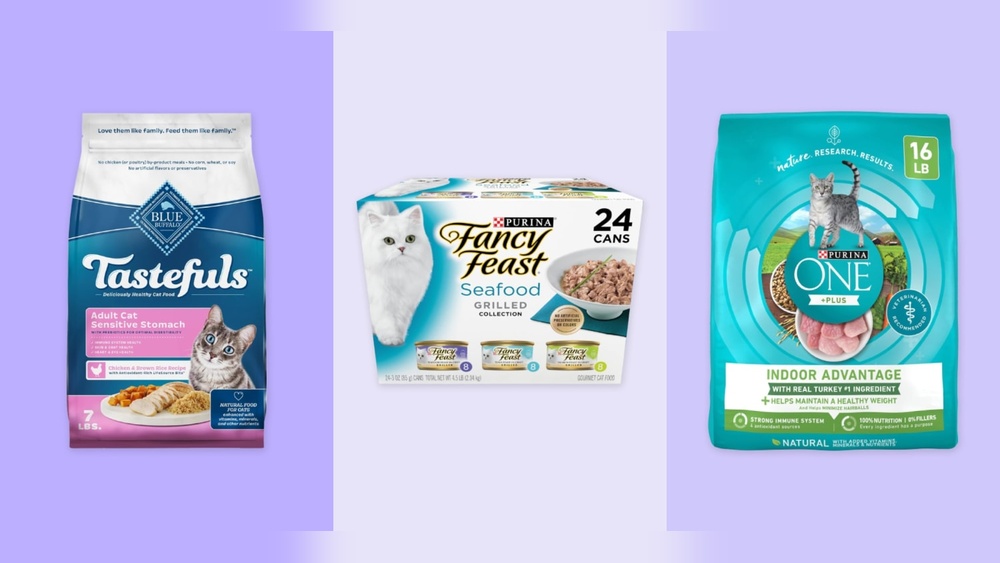
Finding the best cat food for your feline friend can feel overwhelming. Walk down any pet store aisle and you’ll see dozens of brands, each claiming to be the healthiest, tastiest, or most “vet recommended” option on the shelf. But the truth is simpler than the marketing makes it seem: the best cat food is one that matches your cat’s age, health needs, and taste preferences, while offering real nutritional value.
In this guide, we’ll walk through what to look for in quality cat food, highlight a few well-loved wet food options worth considering, share practical feeding tips, point out common mistakes to avoid, and answer some frequently asked questions. Whether you have a picky eater or a cat with specific dietary needs, this article will help you make a more confident choice.
Why Choosing the Right Cat Food Matters
Cats are obligate carnivores, meaning their bodies are built to thrive on animal protein. Unlike dogs, they have specific nutritional requirements — including taurine, arachidonic acid, and vitamin A — that can only be reliably sourced from meat. This is why the best cat food options prioritize high-quality protein sources over fillers like corn or excessive plant-based ingredients.
Good nutrition affects more than just your cat’s energy levels. It plays a role in coat health, digestion, weight management, urinary tract health, and even long-term conditions like kidney disease. Choosing thoughtfully now can mean fewer vet visits and a happier, more comfortable cat later on.
Wet food, in particular, has become a popular choice among cat owners. It offers higher moisture content than dry kibble, which supports hydration and urinary health — something especially important for cats, who often don’t drink enough water on their own. Wet food also tends to be more palatable, making it a great option for finicky eaters or senior cats with dental sensitivities.
Top Picks: Wet Cat Food Worth Considering
If you’re specifically looking at wet food options, here are three widely available choices that many cat owners rely on. Each has its own strengths depending on your cat’s preferences and your household’s needs.
1. Purina Fancy Feast Gravy Lovers Poultry and Beef Grilled Gourmet Variety Pack
Best for: Cats who love a saucy, gravy-based meal
This variety pack combines grilled poultry and beef flavors in a savory gravy, giving cats a rich, restaurant-style dining experience. The variety format is especially useful if your cat tends to get bored with the same flavor day after day, since rotating between poultry and beef can help keep mealtime interesting.
Benefits:
- Gravy adds extra moisture, supporting hydration
- Multiple flavors in one pack reduce the risk of flavor fatigue
- Soft texture is gentle on cats with dental issues
Best use: A great everyday option for adult cats who enjoy variety and a gravy-forward texture.
2. Sheba Perfect Portions Wet Cat Food Cuts in Gravy
Best for: Portion control and freshness
One of the standout features of this option is its pre-portioned, twin-pack tray design. Each tray is sealed individually, so you can serve one portion and keep the second fresh for later — no more half-used cans sitting in the fridge losing flavor and texture.
Benefits:
- Convenient, mess-free portioning
- Tender cuts in gravy appeal to cats who prefer a chunkier texture
- Reduces food waste, since portions are sized for a single serving
Best use: Ideal for single-cat households or owners who want precise portion control, especially for cats managing their weight.
3. Purina Fancy Feast Grilled Wet Cat Food Seafood Collection Variety Pack
Best for: Seafood-loving cats and pescatarian-leaning diets
Many cats have a natural affinity for fish-based flavors, and this seafood-focused collection leans into that preference. With a mix of grilled seafood varieties in one pack, it offers a change of pace from poultry-based diets while still delivering the protein content cats need.
Benefits:
- Appeals to cats with a strong preference for fish flavors
- Variety format helps prevent diet monotony
- Grilled texture and gravy combination adds palatability
Best use: A solid rotational option for cats who enjoy seafood, or as an occasional treat-like meal mixed into a broader diet.
Note: Wet food, including variety packs like these, works well as part of a balanced diet but should be checked against your cat’s specific caloric and nutritional needs, especially if they have any diagnosed health conditions.
Practical Tips for Feeding Your Cat
Choosing good food is only part of the equation. How you feed your cat matters just as much. Here are some practical tips to get the most out of any cat food you choose.
Introduce new food gradually. Cats can be sensitive to sudden diet changes, which may lead to digestive upset. Mix a small amount of new food with their current food over 5–7 days, slowly increasing the ratio.
Watch portion sizes, not just food type. Even high-quality food can lead to weight gain if you’re overfeeding. Use the feeding guidelines on the packaging as a starting point, then adjust based on your cat’s activity level and body condition.
Keep fresh water available at all times. Even if you’re feeding moisture-rich wet food, cats still need access to clean water. Consider a pet fountain if your cat seems uninterested in a standard bowl.
Rotate flavors within a trusted range. Cats can become “flavor fixated” if fed the exact same food for too long, which sometimes makes transitioning later more difficult. Variety packs, like the ones mentioned above, can help build flexibility into your cat’s palate.
Store opened wet food properly. Refrigerate unused portions in a sealed container and use within 2–3 days to maintain freshness and prevent bacterial growth.
Pay attention to life stage formulas. Kittens, adults, and senior cats have different nutritional needs. Make sure the food you choose is appropriate for your cat’s current life stage.

Common Mistakes Cat Owners Make
Even well-intentioned owners can fall into a few common traps when it comes to feeding their cats. Here are some mistakes worth avoiding.
1. Switching Foods Too Abruptly
Sudden diet changes are one of the most common causes of digestive upset in cats. Vomiting, diarrhea, or appetite loss often trace back to a food switch that happened too quickly. Always transition gradually.
2. Free-Feeding Without Monitoring
Leaving food out all day might seem convenient, but it can lead to overeating and weight gain, especially in less active indoor cats. Scheduled feedings give you better control and make it easier to notice changes in appetite, which can be an early sign of illness.
3. Ignoring Ingredient Quality
Not all cat foods are created equal. Some budget options rely heavily on fillers and by-products with minimal nutritional value. It’s worth taking a few minutes to check the ingredient list, prioritizing named protein sources near the top.
4. Assuming All Cats Need the Same Diet
A kitten, a senior cat, and an overweight adult cat all have different needs. Feeding the same formula across every life stage or health condition can mean missing key nutrients or overfeeding certain cats.
5. Overlooking Hydration
Many owners focus entirely on food and forget about water intake. Cats evolved from desert-dwelling ancestors and often have a low thirst drive, which makes moisture-rich wet food and accessible water sources especially important.
Frequently Asked Questions
Is wet food or dry food better for cats?
Both have their place. Wet food offers higher moisture content, which supports hydration and urinary health, while dry food is often more convenient and can support dental chewing action. Many owners choose a combination of both to balance convenience and health benefits.
How much wet food should I feed my cat daily?
This depends on your cat’s weight, age, and activity level, but a general starting point is about one 3-ounce can (or equivalent) per 3–3.5 pounds of body weight per day, split across two or more meals. Always check packaging guidelines and consult your vet for a tailored recommendation.
Can I mix different cat food brands or flavors?
Yes, in most cases mixing flavors or brands is fine, as long as you introduce changes gradually and monitor your cat’s digestion. Variety can actually be beneficial in preventing picky eating habits later on.
Why won’t my cat eat the food I bought?
Cats can be selective for many reasons, including texture preference, temperature of the food, or simply boredom with a flavor. Try warming wet food slightly, offering a different texture (pate versus cuts in gravy), or rotating flavors to see what resonates.
Is grain-free food necessary for cats?
Not necessarily. Grain-free isn’t inherently healthier for most cats, since grains aren’t typically a problem unless your cat has a diagnosed allergy or sensitivity. What matters more is overall ingredient quality and protein content.
Final Thoughts
At the end of the day, choosing the best cat food isn’t about finding one “perfect” brand — it’s about understanding your individual cat’s needs and staying consistent with good feeding habits. Prioritize quality protein sources, keep portion sizes appropriate, and pay close attention to hydration, since moisture intake plays a bigger role in feline health than many owners realize.
It’s also worth remembering that cats can be creatures of habit, but a little variety, introduced thoughtfully, can help prevent picky eating down the road. If you’re ever uncertain about what’s right for your cat, especially if they have existing health conditions, a conversation with your veterinarian is always the best next step.
Small, consistent choices around food and feeding routine add up over time. With a bit of attention and the right approach, you can help your cat live a healthier, more comfortable life — one meal at a time.


