Choosing the best canned cat food can feel tricky with so many brands, flavors, and formulas on the shelf. Canned food offers real benefits over dry kibble alone, especially when it comes to hydration and palatability. But not every can delivers the same quality or value, and picking the wrong one can mean wasted money on food your cat won’t even touch.
In this guide, we’ll cover what actually makes canned cat food worth feeding. We’ll highlight a few trusted options, share practical feeding tips, and point out common mistakes many cat owners make without realizing it. By the end, you should have a clear sense of how to choose canned food that fits your cat’s needs and your household’s routine.
Why Canned Cat Food Matters for Your Cat’s Diet
Cats are obligate carnivores with a naturally low thirst drive. In the wild, most of their hydration would come directly from prey rather than drinking water on its own. This makes moisture intake especially important for their overall health today. Canned food typically contains around 70–80% water, compared to just 10% in most dry kibble.
That extra moisture can support healthy kidney and urinary function over time, which is particularly relevant for cats prone to urinary tract issues. It also makes canned food a great option for cats who don’t drink much water on their own, since dry food alone rarely provides enough fluid intake to fully offset this.
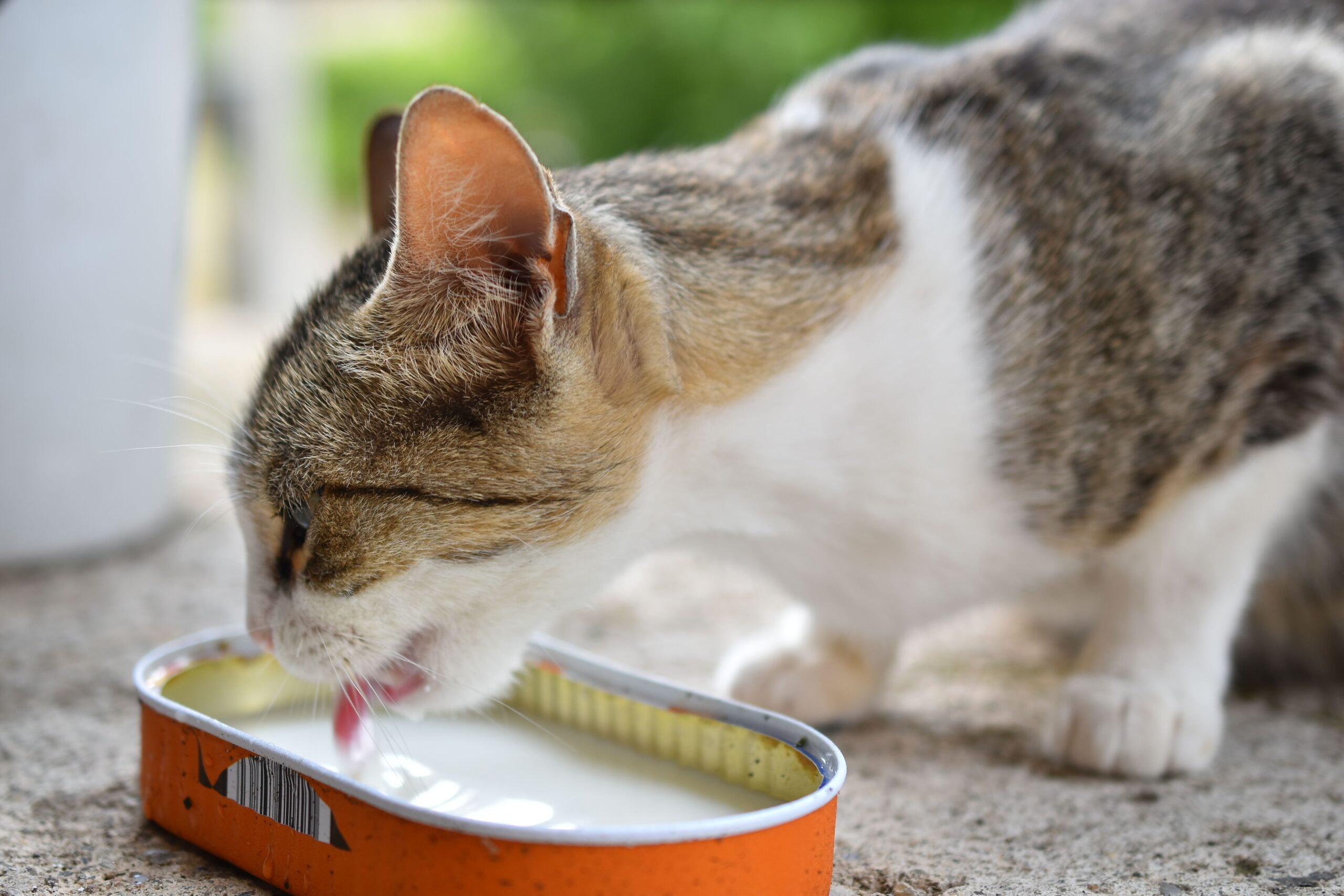
Beyond hydration, canned food often has a stronger aroma and softer texture, which can appeal to picky eaters or senior cats with dental sensitivities. For kittens still developing their bite strength, or older cats with worn or missing teeth, canned food can be far easier to eat comfortably than hard kibble.
When looking for the best canned cat food, a few things matter most:
- A named protein source listed first, like chicken, salmon, or turkey
- Complete and balanced nutrition for your cat’s life stage
- Texture and format that suits your cat’s preference, whether pate, shreds, or gravy
- Variety to prevent flavor fatigue in picky eaters
- Reasonable cost per feeding, especially in multi-cat households
Keeping these factors in mind makes it much easier to compare products without getting distracted by packaging or marketing claims alone.
Top Picks: Best Canned Cat Food
Here are three well-regarded canned options, each suited to a slightly different feeding situation. Consider your cat’s preferences, budget, and how often you plan to rotate flavors before settling on one.
1. Purina Friskies Wet Cat Food Variety Pack (5.5 oz. Cans)
This variety pack gives cats a mix of flavors and textures in one convenient case, which is especially useful if your cat tends to get bored with the same meal day after day. It’s a popular everyday option for cat owners who want to keep mealtime interesting without overspending on premium specialty lines.
Benefits:
- Multiple flavors help prevent flavor fatigue
- Budget-friendly for everyday feeding
- Convenient can size for single-cat households
Best use: A solid everyday choice for cats who enjoy variety, especially in homes where cost matters as much as taste and where trying a few different proteins helps identify a cat’s preference.
2. Purina Fancy Feast Seafood Classic Pate Collection, Grain Free (3 oz. Cans)
This collection focuses on seafood-based pate recipes without grain fillers, making it a reasonable option for cats that seem sensitive to grain-based ingredients. The smooth pate texture is easy to eat and often appeals to cats who prefer a soft, consistent texture over chunks or shreds mixed in gravy.
Benefits:
- Grain-free formula for cats with grain sensitivities
- Smooth pate texture that’s easy to eat
- Seafood-forward flavors many cats find highly palatable
Best use: A great fit for cats who prefer pate over gravy or shreds, or for owners looking for a grain-free option without switching to a full specialty or prescription diet.
3. Purina Friskies Pate Wet Cat Food Variety Pack, Seafood and Chicken Favorites (40ct, 5.5 oz. Cans)
This large variety pack combines seafood and chicken pate flavors in a bulk format, which helps simplify shopping for households that go through canned food quickly. It’s designed with multi-cat households and daily feeding routines in mind, rather than occasional treat-style use.
Benefits:
- Bulk pack offers strong value per can
- Pate texture suits cats who dislike chunks or gravy
- Rotating seafood and chicken flavors helps maintain interest over time
Best use: Ideal for multi-cat households or anyone feeding canned food as a daily staple rather than an occasional treat, especially when buying in bulk helps manage cost per feeding.
Practical Tips for Feeding Canned Cat Food
Picking a quality can is only part of the process. A few feeding habits can make a real difference in your cat’s health, safety, and overall enjoyment of mealtime.
Serve food at room temperature. Cold food straight from the fridge can be less appealing to cats, since it dulls the aroma that draws them in. Let refrigerated leftovers sit out for a few minutes before serving, or warm them slightly with a bit of warm water mixed in.
Refrigerate opened cans promptly. Cover any unused portion and store it in the fridge for no more than two to three days to keep it fresh and safe. Using a dedicated can lid makes this easier and helps prevent spills.
Introduce new flavors gradually. Even within the same brand, switching flavors too quickly can occasionally upset a sensitive stomach. Mix new food with familiar food for a few days first, gradually increasing the ratio.
Watch portion sizes closely. Canned food calorie content varies by brand and formula. Check the feeding guide on the label rather than assuming one can equals one full meal, since sizes and calorie density differ quite a bit across products.
Combine wet and dry feeding thoughtfully. Many owners feed a mix of both formats. If you do, adjust portions so your cat isn’t getting excess calories from combining full servings of each, which can happen more easily than expected.
Common Mistakes to Avoid With Canned Cat Food
A few habits can quietly undermine even a good canned food routine. Here’s what to watch for:
1. Leaving Food Out Too Long
Canned food spoils faster than dry kibble once opened. Leftover food sitting out for hours, especially in warm rooms, can attract bacteria and become unsafe to eat.
2. Feeding the Same Flavor Every Day
Repetition can lead to flavor fatigue, where cats suddenly refuse a food they used to enjoy without any obvious explanation. Rotating flavors within a trusted brand helps prevent this from becoming a recurring issue.
3. Overfeeding Because “It’s Just Wet Food”
Canned food still contains real calories, sometimes more per ounce than expected. Feeding a full can on top of a full portion of dry food can quickly lead to excess weight gain over time.
4. Ignoring the Ingredient List
Not all canned foods are created equal, even within the same general price range. Some rely more heavily on fillers or by-products, so it’s worth checking the label rather than choosing by packaging or marketing claims alone.
5. Switching Brands Too Abruptly
A sudden switch between very different formulas can cause digestive upset, particularly if fat or fiber content varies significantly. A gradual transition over several days is almost always the safer choice.
Frequently Asked Questions
Is canned cat food better than dry food?
Neither is strictly better on its own. Canned food offers higher moisture content, which supports hydration and urinary health, while dry food is more convenient and can support dental health through chewing. Many owners choose to feed a combination of both to get benefits from each format.
How often should I feed my cat canned food?
This depends on your cat’s age, weight, and overall diet. Some owners feed canned food as a full daily meal, while others use it as a topper or occasional treat alongside dry food. Checking with your vet can help you settle on a routine that fits your specific cat.
Can kittens eat the same canned food as adult cats?
No. Kittens need higher calorie and protein content to support rapid growth, so it’s best to look for a canned food specifically labeled for kittens rather than an all-life-stages or adult formula that may not meet those elevated needs.
Why won’t my cat eat a new canned food flavor?
Cats can be sensitive to changes in texture, smell, or temperature, and a new flavor sometimes just needs an adjustment period. Try warming the food slightly, mixing it with a familiar flavor, or giving your cat a few days before deciding they truly dislike it.
How long can opened canned cat food stay in the fridge?
Most opened cans stay safe for two to three days when covered and refrigerated. If your cat hasn’t finished a can within that window, it’s best to discard the remainder rather than risk spoilage.
Final Thoughts
Choosing the best canned cat food comes down to understanding what your individual cat actually needs and enjoys. Moisture content, protein quality, and texture all play a role in both nutrition and how willingly your cat eats their meals, so it’s worth paying attention to more than just the price tag.
Pay attention to how your cat responds to different flavors and formulas over time, and don’t be afraid to rotate options within a trusted brand rather than sticking to a single flavor indefinitely. Proper storage and portion control matter just as much as the food itself, so keep opened cans refrigerated and measure servings rather than guessing.
When in doubt, your veterinarian remains the best resource for tailoring a feeding plan to your cat’s specific age, weight, and health needs, especially if you notice any changes in appetite, digestion, or weight over time.