
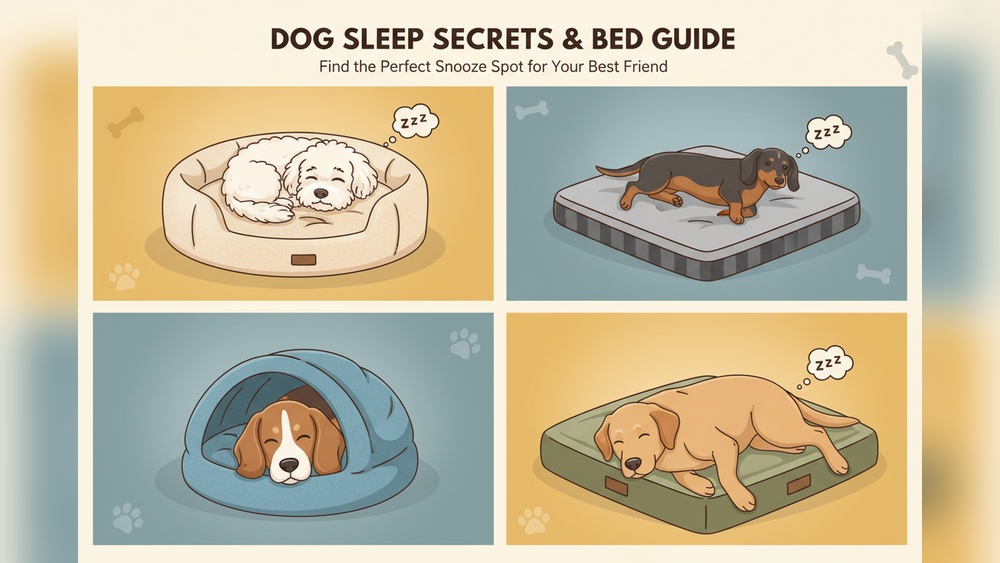
When you watch your dog sleep, you may notice they have their own favorite way to curl up, stretch out, or even flip upside down. These sleeping styles are not just cute—they reveal a lot about their comfort needs. Choosing the best dog bed for different sleeping styles is important for your dog’s health and happiness. The right bed can improve their sleep, support their joints, and even reduce anxiety. But with so many options available, it can be hard to know where to start.
This guide will walk you through the most common sleeping styles, the best bed designs for each, and what features matter most. You’ll also see practical examples, comparison tables, and tips for getting the best value for your money. By the end, you’ll know exactly what to look for—whether your dog is a tiny curler, a sprawling side sleeper, or a senior who needs extra support.
Understanding Dog Sleeping Styles
Dogs, like people, have their own unique ways of sleeping. These styles are not just random—they are shaped by comfort, breed, personality, and even health issues. Here are the main sleeping styles:
- Curled up: Many dogs sleep in a tight ball, noses tucked to their tails. This keeps them warm and makes them feel safe.
- Stretched out: Some dogs sprawl on their sides or stomachs, legs extended. This helps them stay cool.
- Back sleepers: Dogs lying on their back, legs in the air, show they feel very secure.
- Burrowers: Some like to dig, nest, or hide under covers.
- Leaners: Dogs who press against walls or furniture for comfort.
- Chin resters: Some rest their head on a pillow or the bed’s edge.
Understanding your dog’s sleeping style is the first step in picking the right bed. Each style has unique needs, and the wrong bed can lead to discomfort or joint pain.
Top Dog Beds By Sleeping Style
Not all beds work for every dog. Below, you’ll find the best types for each style, with examples and pros and cons.
1. Best For Curlers: Bolster Beds
Bolster beds have raised edges, perfect for dogs who like to curl up. The border gives a sense of safety and can support the head or neck.
- Features: Soft, padded edges, removable covers, plush materials.
- Best for: Small to medium breeds, anxious dogs, dogs who enjoy burrowing.
Advantages:
- Feels like a den, soothing for anxious pets.
- Provides head and neck support.
- Keeps warmth in.
Disadvantages:
- Takes up more space.
- Not ideal for dogs who stretch out fully.
Popular options: PetFusion Ultimate Dog Bed, Friends Forever Orthopedic Lounge.
2. Best For Side Sleepers And Sprawlers: Mattress Beds
Mattress beds (flat beds) offer a large, open surface. This is ideal for dogs who stretch out on their side, belly, or back.
- Features: Memory foam or regular foam, removable covers, non-slip bottoms.
- Best for: Large breeds, dogs with arthritis, hot climates.
Advantages:
- Full-body support, especially for joints.
- Easy to clean.
- Can fit inside crates or open areas.
Disadvantages:
- Less sense of “security” for anxious dogs.
- May not keep warmth as well.
Popular options: Big Barker Orthopedic Dog Bed, Furhaven Deluxe Mattress.
3. Best For Burrowers: Cave Or Hooded Beds
Some dogs love to hide or dig. Cave beds have a soft “roof” or blanket, offering a space to burrow.
- Features: Enclosed top, soft interior, easy to wash.
- Best for: Small breeds, Dachshunds, Chihuahuas, anxious dogs.
Advantages:
- Mimics natural dens.
- Warmer for cold weather.
- Reduces anxiety.
Disadvantages:
- Not suitable for large breeds.
- Can be hard to clean inside the “cave.”
Popular options: Snoozer Cozy Cave, Best Friends by Sheri Burrow.
4. Best For Senior Dogs: Orthopedic Beds
Older dogs or those with joint problems need extra support. Orthopedic beds use thick memory foam to relieve pressure.
- Features: High-density foam, waterproof liners, non-slip bottom.
- Best for: Large or senior dogs, arthritic pets.
Advantages:
- Eases joint pain.
- Helps with mobility.
- Durable and supportive.
Disadvantages:
- Heavier and more expensive.
- Some dogs may not like the firmer feel.
Popular options: PetFusion Ultimate, KOPEKS Orthopedic Memory Foam.
5. Best For Warm Weather: Elevated Cot Beds
In hot weather, dogs need airflow. Elevated beds are raised off the ground, allowing air to circulate underneath.
- Features: Mesh surface, metal or plastic frame, portable.
- Best for: Outdoor use, large breeds, dogs with thick coats.
Advantages:
- Stays cool.
- Easy to clean.
- Good for travel or camping.
Disadvantages:
- Less soft for older dogs.
- Not as warm in winter.
Popular options: K&H Pet Products Original Elevated, Coolaroo Elevated Pet Bed.
Comparison Of Dog Bed Types
To make it easier to decide, here’s a side-by-side look at the main bed types:
| Bed Type | Best For | Main Advantage | Main Disadvantage |
|---|---|---|---|
| Bolster | Curlers, anxious dogs | Security, head support | Takes more space |
| Mattress | Sprawlers, large breeds | Full-body support | Less “den” feeling |
| Cave/Hooded | Burrowers, small breeds | Warmth, reduces anxiety | Not for big dogs |
| Orthopedic | Seniors, joint issues | Pain relief | Can be heavy |
| Elevated | Hot climates, outdoor | Cooling, easy to clean | Less padding |
Key Features To Consider
No matter your dog’s sleeping style, some features matter for all beds:
- Removable, washable cover: Dogs shed and bring in dirt, so easy washing is a must.
- Non-slip bottom: Prevents sliding, especially on hardwood floors.
- Durable materials: Chew-resistant fabrics last longer.
- Size: Your dog should fit with room to stretch.
- Waterproof liner: Protects from accidents or drool.
- Temperature control: Some beds have cooling gels or extra warmth.
Many people overlook the importance of bed thickness. Too thin, and big dogs “bottom out,” not getting enough support. Also, check the quality of zippers and seams—these often fail first.
Real-world Use Cases
Let’s look at how different dogs benefit from the right bed:
- Luna, a Golden Retriever who loves to sprawl, sleeps best on a large memory foam mattress bed. Her joints are supported, and she can stretch fully.
- Max, a senior Beagle with arthritis, uses an orthopedic bed. His mobility improved, and he gets up with less stiffness.
- Bella, a Chihuahua who likes to burrow, prefers a cave bed. She feels less anxious and sleeps through the night.
- Rocky, a Husky in a hot climate, uses an elevated cot bed outdoors. He stays cool and clean.
Advantages And Disadvantages By Bed Type
Some beds work better for certain dogs, but there’s no “one size fits all.” Here’s a quick overview:
- Bolster beds: Great for comfort and security, but can be bulky.
- Mattress beds: Best for easy cleaning and open sleeping, but less “cozy.”
- Cave beds: Ideal for small anxious dogs, but not durable for heavy chewers.
- Orthopedic beds: Vital for old dogs, but pricier.
- Elevated beds: Perfect for hot weather, but less soft.
Who Should Buy Which Bed?
Choose based on your dog’s size, age, and habits:
- Small curlers: Bolster or cave beds.
- Large sprawlers: Mattress or orthopedic beds.
- Anxious or cold dogs: Cave beds.
- Outdoor dogs: Elevated beds.
- Seniors or arthritic dogs: Orthopedic beds.
Who Should Avoid Certain Beds?
- Heavy chewers: Avoid plush or cave beds; choose tough, chew-resistant designs.
- Large breeds: Stay away from small, enclosed beds.
- Dogs with allergies: Avoid beds that collect dust; choose hypoallergenic covers.
- Dogs who get hot: Avoid thick, warm beds in summer—use elevated or cooling beds.
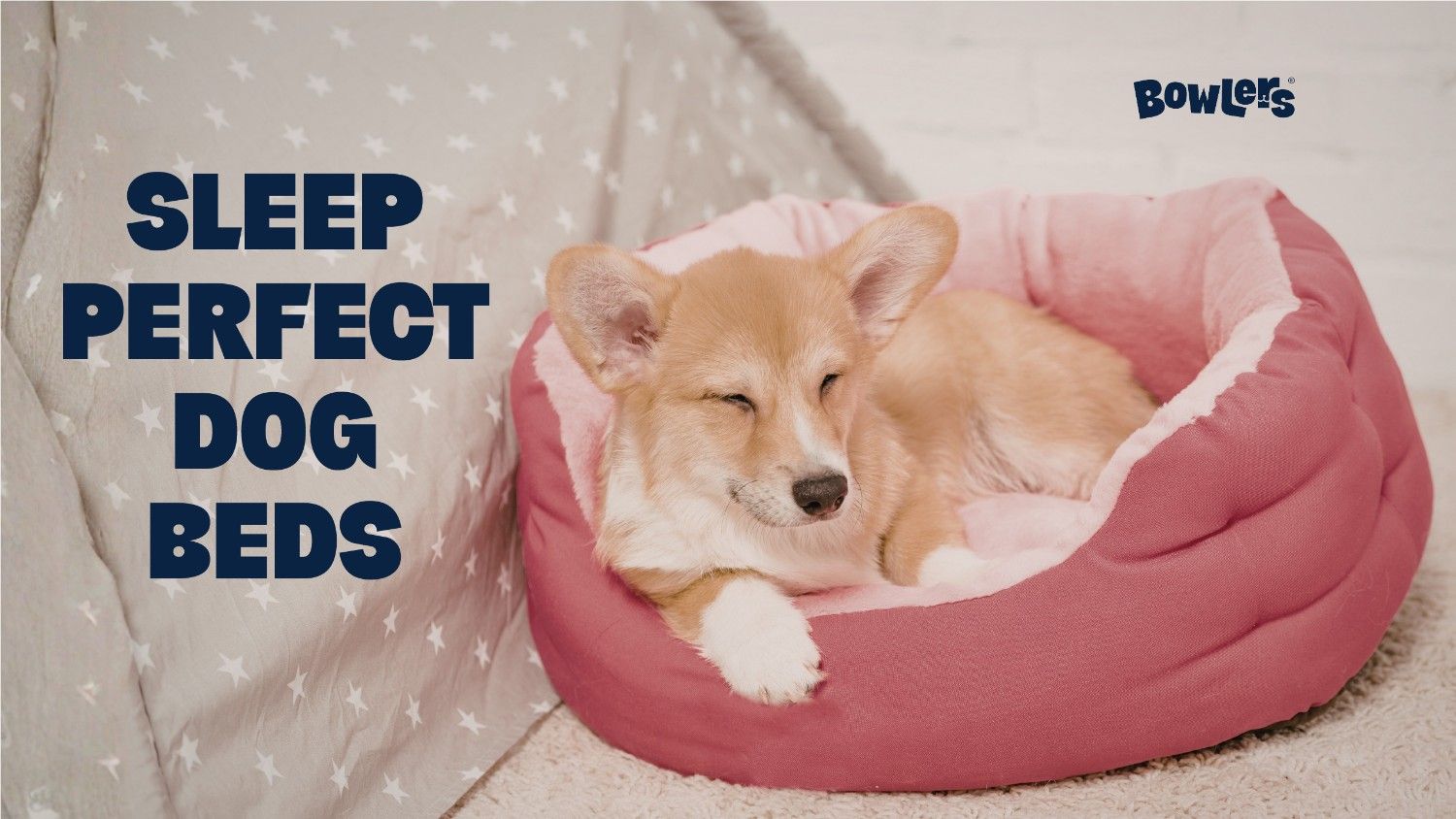
Credit: www.bowlerspets.com
Buying Guide: How To Choose The Best Dog Bed
When shopping, keep these steps in mind:
- Watch your dog sleep: Notice if they curl, sprawl, or burrow.
- Measure your dog: Add 6-12 inches to their length for the right size.
- Think about age and health: Older dogs need more support.
- Check material quality: Look for strong zippers and seams.
- Read reviews: See what owners of similar dogs say.
- Budget wisely: Expensive does not always mean better, but very cheap beds wear out quickly.
Here’s a quick side-by-side on what to look for:
| Feature | Why It Matters | Best For |
|---|---|---|
| Memory Foam | Joint support, comfort | Seniors, large breeds |
| Removable Cover | Easy cleaning | All dogs |
| Non-Slip Bottom | Safety | Puppies, active dogs |
| Chew Resistance | Durability | Chewers |
| Waterproof Liner | Protects foam | Puppies, seniors |
Customer Ratings And Reviews Summary
Most popular dog beds on Amazon have ratings from 4.2 to 4.8 out of 5 stars. Here’s what customers say:
- Bolster beds: Owners love how their pets snuggle up and seem calmer.
- Orthopedic beds: Many report less limping and better mobility in older dogs.
- Cave beds: Small dogs especially seem happier and less anxious.
- Elevated beds: Owners like the easy cleaning and how dogs stay cool outdoors.
Common complaints include poor zipper quality, covers that shrink in the wash, or beds flattening too quickly. Many owners wish they had bought a size larger.

Credit: www.acdra.org
Popularity And Market Demand
According to market data, the dog bed market was valued at over $1.2 billion in the US in 2026 and is growing by 5-7% per year. Orthopedic and memory foam beds are the fastest-growing segment, as more owners focus on pet health. Elevated and cooling beds see a spike in summer months. Bolster and cave beds are always popular with small breed owners. For more details on pet product trends, see this American Pet Products Association report.
Value For Money
Higher price does not always guarantee better quality. Many mid-range beds ($40–$100) offer excellent value, especially if they use dense foam, have strong stitching, and removable covers. Avoid very cheap beds (under $25), as they often flatten quickly or fall apart in the wash.
Check warranty terms—some brands offer 1–2 years, which can save money if your dog is rough on their bed.

Credit: www.sleeprepublic.com.au
Comparison With Similar Products
Let’s compare three top-rated beds in the orthopedic category for large dogs:
| Brand | Material | Washable Cover | Warranty | Price Range |
|---|---|---|---|---|
| Big Barker | 7” foam | Yes | 10 years | High ($200+) |
| PetFusion Ultimate | 4” memory foam | Yes | 1 year | Mid ($100–$150) |
| BarksBar Orthopedic | 4” foam | Yes | 60 days | Low–Mid ($60–$80) |
Big Barker is best for the largest dogs and comes with a longer warranty, but PetFusion offers a good balance of price and quality. BarksBar is budget-friendly for medium dogs.
Frequently Asked Questions
What Size Dog Bed Should I Buy?
Measure your dog from nose to tail while sleeping, then add 6–12 inches. If your dog is between sizes, choose the larger bed for more space.
How Often Should I Wash My Dog’s Bed?
Wash the cover every 1–2 weeks, or more if your dog sheds a lot or has allergies. Foam inserts should be cleaned as needed, following the manufacturer’s instructions.