If you just brought home a kitten, you’ve probably already stood in the pet food aisle feeling a little lost. There’s no shortage of options claiming to be the best cat food for kittens, and honestly, most of the packaging looks the same after a while. Chicken. Salmon. “Vet recommended.” “Complete nutrition.” It starts to blur together.
Here’s the thing: finding the best cat food for kittens isn’t actually that complicated once you know what you’re looking for. This guide covers what makes kitten food different from adult food, a few wet food options people commonly feed their kittens, some real-world feeding tips, mistakes to steer clear of, and answers to the questions we hear most from new owners.
Why Kittens Can’t Just Eat Adult Cat Food
A kitten’s body is doing a lot of work in a short amount of time — bones lengthening, muscles forming, brain developing — and that takes more fuel than an adult cat needs to simply maintain itself. Compared to adult food, kitten food typically packs in:
- More calories per bite, since kittens burn through energy fast
- Higher protein to support all that new muscle and tissue
- More fat for energy and brain development
- DHA, which plays a role in vision and cognitive growth
- A calcium-to-phosphorus balance built for growing bones, not maintaining them
Give a kitten adult food too soon and you’re basically asking a growing body to get by on less than it needs. It won’t necessarily show up right away, but it can catch up with them.
What Makes the Best Cat Food for Kittens
Before we get into specific products, it’s worth knowing what separates the best cat food for kittens from something that’s just riding on cute packaging.
Look for the AAFCO Statement
Somewhere on the label, there should be a line confirming the food meets AAFCO nutrient standards for “growth” or “all life stages.” If that’s missing, it’s probably not built with a kitten’s needs in mind, no matter what the front of the bag says.
Real Protein Should Come First
Check the ingredient list. You want to see a named protein — chicken, turkey, salmon — sitting at the top, not something vague like “meat byproduct” or “animal digest.”
Wet Food Has Some Practical Advantages
It’s softer, which helps kittens who are still working on their teeth. It also adds moisture to their diet, which is a small but meaningful head start on lifelong hydration and urinary health.
A Little Variety Goes a Long Way
Kittens that try a range of flavors and textures early tend to be less finicky as adults. That’s part of why variety packs are popular — you get exposure without buying five different products.
Top Picks: Best Cat Food for Kittens
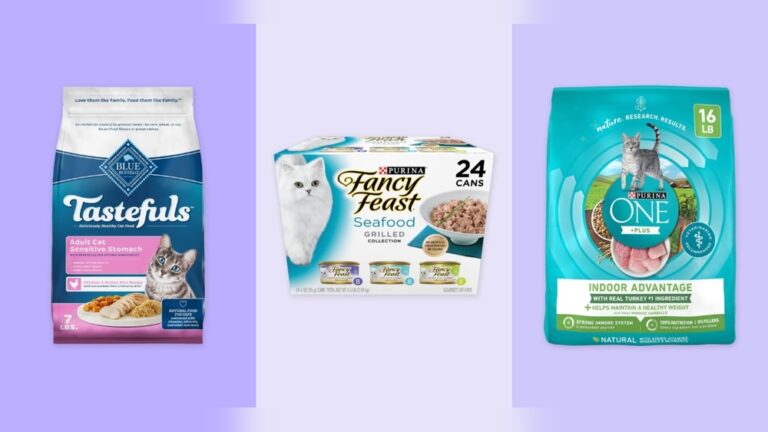
These are three wet food products cat owners commonly reach for when looking for the best cat food for kittens during the kitten and young-cat stage. As always, double-check the label against your kitten’s actual age before making anything a permanent part of their diet.
Purina Fancy Feast Tender Ocean Whitefish, Turkey, Chicken and Salmon Feasts Variety Pack (24 x 3 oz.)
This one rotates through four proteins in a single case, so your kitten gets exposed to different flavors without you having to buy separate boxes.
Why it’s useful:
- Four proteins in rotation means less chance of your kitten locking onto just one flavor
- Soft pate texture that’s easy on young teeth and gums
- Individual trays keep portions simple and cut down on waste
Good for: owners who want to build flavor variety in early, or multi-cat households where everyone has different preferences.
Sheba Perfect Portions Wet Cat Food Cuts in Gravy (24 Count)
Sheba’s Perfect Portions trays are a favorite for their pre-portioned, mess-free format and gravy texture cats tend to love. One caveat: this particular line is formulated for adult cats, so it’s better used as an occasional addition once your kitten is closer to a year old, alongside a proper kitten formula for day-to-day feeding rather than in place of one.
Why it’s useful:
- Twin-tray portions make it easy to control serving size
- Gravy adds moisture, which helps with hydration
- Resealable packaging that’s simple to store
Good for: rounding out an established kitten diet with some variety, or easing an older kitten toward adult feeding under your vet’s guidance.
Purina Fancy Feast Gravy Lovers Poultry and Beef Grilled Gourmet Variety Pack (24 Count)
This pack leans into a grilled-style texture with gravy mixed in, which gives it a heartier bite than a straight pate.
Why it’s useful:
- Poultry and beef flavors cover a wide range of taste preferences
- The gravy helps nudge up daily water intake
- A different texture than pate, which can help win over pickier eaters
Good for: households that want to mix things up at mealtime while keeping portions consistent.

A Few Feeding Tips That Actually Help
Picking a good food is half the job. How you feed it matters just as much.
Match the Schedule to Their Age
Kittens under six months usually need three to four small meals a day — their stomachs just can’t hold enough at once to go longer stretches. By the time they’re closer to a year old, most cats can settle into two meals a day.
Switch Foods Slowly
Changing brands or formulas? Mix the new food in gradually over about a week to ten days. Kittens have sensitive stomachs, and a sudden switch is a pretty common way to end up cleaning up a mess.
Water Still Matters, Even With Wet Food
Wet food helps with hydration, but it’s not a substitute for having clean water available at all times.
Keep an Eye on Growth
Kittens should be putting on weight steadily. If it seems too slow or too fast, that’s a conversation for your vet, not something to guess at on your own.
Don’t Skip Vet Visits
Your vet can catch nutritional gaps or growth issues way before they’d be obvious to you at home. Regular check-ins are worth the trip.
Mistakes People Make More Often Than You’d Think
Even when you’ve picked the best cat food for kittens on the shelf, a few common habits can undo the benefit. Here’s what to watch for.
Starting Adult Food Too Early
Adult formulas just don’t have the calorie density or nutrient profile a growing kitten needs. Hold off until your vet gives you the okay.
Leaving Food Out All Day
Free-feeding feels convenient, but it makes it hard to know how much your kitten’s actually eating, and it can set the stage for overeating habits later on.
Changing Foods Too Fast
This one’s worth repeating: a fast switch is one of the most common reasons kittens end up with an upset stomach. Slow it down.
Going Overboard on Treats
Treats and table scraps should stay a small part of the diet. Too much, and you start crowding out the balanced nutrition their main food is supposed to provide.
Forgetting About Hydration
Wet food helps, but plenty of kittens still don’t drink enough on their own. Keep water accessible and fresh, especially as they get more active.
Frequently Asked Questions
How much wet food should I actually feed my kitten?
It depends on age, weight, and how active they are. Most packaging gives general guidelines by weight, but your vet can give you a number that actually fits your kitten’s growth stage.
Can I mix wet and dry kitten food?
Sure, plenty of owners do. Wet food adds moisture and tends to be more appealing to picky eaters, while dry food is convenient and can help with chewing habits. Just make sure both are labeled for kittens.
When’s the right time to switch to adult food?
Somewhere between 10 and 12 months for most kittens, though larger breeds sometimes need a bit longer on kitten formula. Ask your vet about timing for your specific cat.
Is wet food better than dry food for kittens?
Not really — they each bring something different. Wet food helps with hydration and is gentler on young teeth; dry food is more calorie-dense and easier to leave out. A mix of both is common.
How can I tell if a food is actually nutritionally complete for kittens?
Look for that AAFCO statement mentioning “growth” or “all life stages” on the label. That’s the clearest sign you’re looking at the best cat food for kittens, not just something marketed toward one.
Final Thoughts
Feeding a kitten well isn’t about getting everything perfect — it’s about paying attention. Choose food built for growth, look for real protein at the top of the ingredient list, and don’t be afraid to mix in some variety along the way. Watch how your kitten responds: steady weight gain, good energy, a healthy-looking coat. Those are the signs you’re doing this right.
And don’t go it alone. Your vet knows your kitten’s breed, health history, and growth pattern better than any label ever could, so lean on them when you’re deciding on portions, timing, or when to make a switch. Finding the best cat food for kittens is really just the starting point — get that foundation right now, and you’re setting your kitten up for a much easier road ahead.