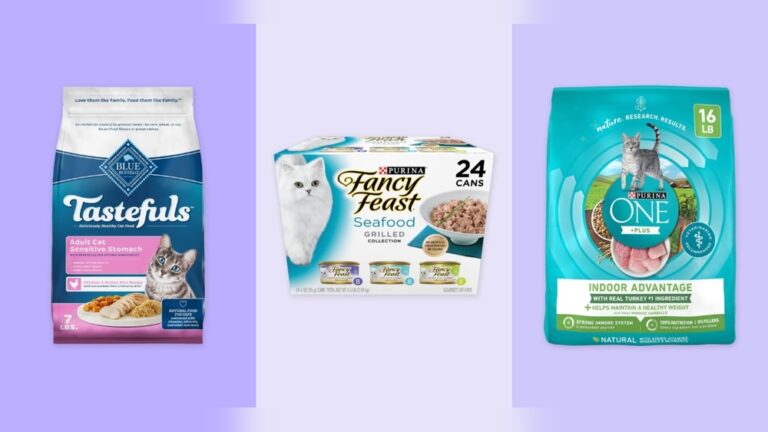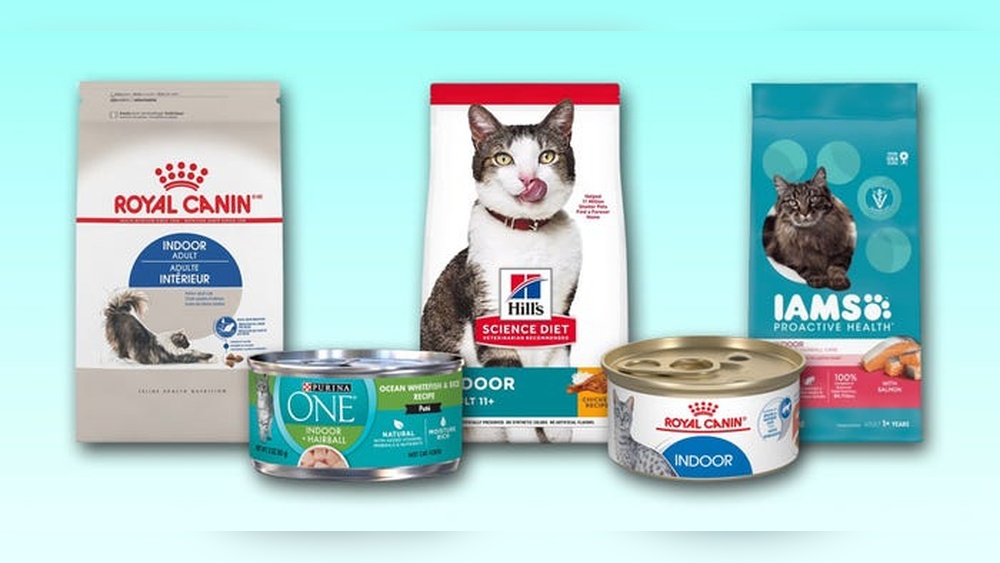
If your cat spends most of their day lounging on the windowsill, their diet needs to reflect that lifestyle. Finding the best cat food for indoor cats isn’t just about convenience. It’s about supporting a lower activity level, preventing weight gain, and managing common indoor-cat issues like hairballs and boredom-driven overeating.
Indoor cats typically burn fewer calories than outdoor cats. That means their food needs to be calorie-conscious without sacrificing nutrition. In this guide, we’ll break down what to look for in an indoor cat formula. We’ll also highlight a few trusted options and cover the mistakes many owners unknowingly make.
Why the Best Cat Food for Indoor Cats Looks Different
Cats that live indoors full-time have different energy needs than cats that roam or spend time outside. Without regular outdoor activity, indoor cats are more prone to weight gain. Over time, this can lead to related health issues like joint stress and diabetes.
A good indoor cat food typically addresses a few specific concerns:
- Controlled calorie content to match a lower activity level
- Added fiber to help manage hairballs from frequent indoor grooming
- L-carnitine or similar ingredients to support healthy metabolism
- High-quality protein to maintain lean muscle despite reduced movement
- Digestive support since indoor cats can be more sedentary
Choosing a formula built around these factors, rather than an all-purpose cat food, can make a real difference in your cat’s long-term weight and comfort.
Top Picks: Best Cat Food for Indoor Cats
Here are three well-regarded options. Each one suits a slightly different indoor cat need. Consider your cat’s current weight, appetite, and any digestive sensitivities before choosing.
1. Iams Proactive Health Dry Cat Food, Indoor Weight and Hairball Care
This formula targets the two most common indoor cat concerns: weight management and hairball control. It features real chicken as the first ingredient, along with a fiber blend designed to help reduce hairballs naturally.
Benefits:
- Calorie-controlled to help maintain a healthy weight
- Added fiber blend supports hairball reduction
- Real chicken as the primary protein source
Best use: A strong everyday choice for indoor cats prone to hairballs. It also works well for cats who need extra help maintaining a healthy weight without a prescription diet.
2. Purina ONE Natural, Low Fat, Weight Control, Indoor Advantage
Purina ONE’s Indoor Advantage formula has a lower fat content, making it a good fit for cats that need more structured weight control. It combines real turkey as the number one ingredient with natural fiber to support digestion.
Benefits:
- Low-fat formula supports gradual, healthy weight management
- Natural fiber blend aids digestive health and hairball control
- High-quality protein helps maintain lean muscle mass
Best use: Well-suited for indoor cats who already carry extra weight or tend to gain weight quickly. It’s a good fit for households looking for a more targeted weight-control formula.
3. Purina Cat Chow Naturals Original Dry Cat Food
While not exclusively an “indoor” formula, Cat Chow Naturals Original is a solid, naturally-based option. It contains no artificial flavors or preservatives. This makes it a good baseline food for indoor cats already at a healthy weight.
Benefits:
- Made with natural ingredients and real chicken
- Fortified with vitamins and minerals for overall wellness
- Budget-friendly option for everyday feeding
Best use: Ideal for indoor cats at a healthy weight with no specific hairball or weight concerns. A good fit for owners who still want a natural, no-frills everyday formula.
Practical Tips for Feeding Indoor Cats
Choosing the right food is just one part of the equation. How you feed your indoor cat matters just as much for their long-term health.
Measure every meal. Indoor cats are especially prone to overeating simply because food is always accessible. Use a measuring cup or kitchen scale rather than eyeballing portions.
Split meals into smaller, scheduled feedings. Try two or three measured meals instead of leaving a full bowl out all day. This helps regulate appetite and prevents boredom eating.
Add interactive feeding. Puzzle feeders or slow-feed bowls encourage natural foraging behavior. This helps burn a few extra calories and keeps indoor cats mentally engaged.
Monitor body condition, not just weight. Run your hands along your cat’s ribs. You should be able to feel them easily without heavy pressure. This is often a better day-to-day indicator than a scale.
Keep fresh water accessible at all times. Dry food is lower in moisture, so indoor cats eating primarily kibble benefit from multiple water sources placed around the home.

Common Mistakes to Avoid When Feeding Indoor Cats
Even attentive owners can fall into a few avoidable habits. Here’s what to watch for:
1. Free-Feeding Without Portion Control
Leaving food out all day is one of the biggest contributors to indoor cat weight gain. Without the calorie burn of outdoor activity, unlimited access to food adds up quickly.
2. Assuming All Cat Food Is the Same
Not all dry food is formulated with an indoor lifestyle in mind. Standard all-purpose formulas can be too calorie-dense for cats with lower activity levels.
3. Ignoring Gradual Weight Gain
Weight gain in indoor cats often happens slowly, making it easy to miss. Regular at-home body checks can catch changes before they become a bigger issue.
4. Skipping Playtime and Enrichment
Diet alone won’t solve weight management. Indoor cats need regular play sessions to stay active, even for just 10–15 minutes a day.
5. Switching Foods Too Abruptly
Changing food too quickly can cause digestive upset, even when moving to a healthier formula. A gradual transition over 7–10 days is always the safer approach.
Frequently Asked Questions
Do indoor cats really need the best cat food for indoor cats, or will any formula do?
Not always, but it can help. Indoor cats generally have lower energy needs than outdoor cats. A formula with controlled calories and added fiber can support healthier weight management and digestion over time.
How much should I feed my indoor cat each day?
This varies by weight, age, and the food’s calorie density. Most adult indoor cats do well with about 1/4 to 1/3 cup of dry food per day, split into two meals. Always check the feeding guide on your chosen product and adjust with your vet’s guidance.
Can indoor cats eat regular adult cat food instead of an indoor formula?
Yes, but an indoor-specific formula is usually a better long-term fit if your cat gains weight easily or shows signs of frequent hairballs. Lower calorie density and added fiber can make a real difference.
What are signs my indoor cat is carrying extra weight?
Look for difficulty feeling the ribs under a light layer of fat, along with a rounded abdomen. Reluctance to jump or play, and a loss of visible waistline from above, are also common signs.
How can I help my indoor cat stay active without going outside?
Interactive toys, cat trees, and short daily play sessions all help simulate outdoor activity. Puzzle feeders are another great way to keep your cat moving and engaged.
Final Thoughts
At the end of the day, the best cat food for indoor cats comes down to matching their food to their actual lifestyle. It’s not just about picking whatever formula is most popular or convenient.
Since indoor cats generally burn fewer calories, portion control and ingredient quality matter more than they might for an active outdoor cat. Pay attention to your cat’s body condition over time, not just the number on a bag’s feeding chart. Don’t underestimate the role that play and enrichment play alongside diet.
A thoughtful combination of the right food, measured portions, and regular activity goes a long way. It helps keep an indoor cat happy, lean, and healthy for years to come. As always, check in with your veterinarian if you notice sudden weight changes or digestive issues, or if you’re unsure which formula best fits your cat’s needs.