Finding the best treats for cats is about more than just picking something your cat will gobble up. Treats play a real role in bonding, training, and even hiding medication when needed. But with so many textures, flavors, and formats on the market, it’s easy to end up with a cabinet full of options your cat either ignores or overeats.
In this guide, we’ll walk through what actually makes a treat worth buying. We’ll highlight a few trusted options, share practical feeding tips, and cover the most common mistakes cat owners make when it comes to treating their cats. By the end, you’ll have a clearer sense of how to choose treats that fit your cat’s preferences without overdoing it.
Why Treats Matter Beyond Just a Snack
Treats serve a bigger purpose than simply satisfying a craving. They’re one of the most effective tools for positive reinforcement, whether you’re working on basic commands, crate training, or simply rewarding good behavior like using a scratching post instead of the couch.
Treats can also help with bonding, especially for shy or newly adopted cats who need a low-pressure way to build trust with their owner. Sitting nearby and offering a treat by hand, even just once or twice a day, can go a long way toward helping a nervous cat feel more comfortable in a new environment.
For cats who need medication, a soft or lickable treat can make the process far less stressful for everyone involved. Instead of wrestling with a pill and an unhappy cat, many owners find that a smooth, flavorful treat makes medicating time feel more like a normal part of the day.
That said, not all treats are created equal. When choosing the best treats for cats, keep these factors in mind:
- Texture and format that matches your goal, whether crunchy, soft, or lickable
- Ingredient quality, ideally with a named protein source
- Calorie density, since treats can add up quickly if given often
- Purpose, such as training rewards, bonding treats, or medication delivery
- Your cat’s individual preferences, since taste and texture preferences vary widely between cats
Understanding what you actually need a treat for makes it much easier to narrow down the right option, rather than buying whatever happens to be on sale.
Top Picks: Best Treats for Cats
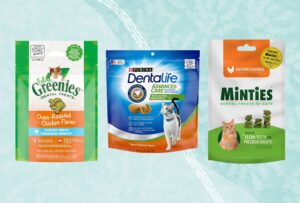
Here are three well-regarded treat options, each suited to a slightly different use case. Consider your cat’s texture preferences and what you’re using the treat for before choosing.
1. Inaba Churu Cat Treats
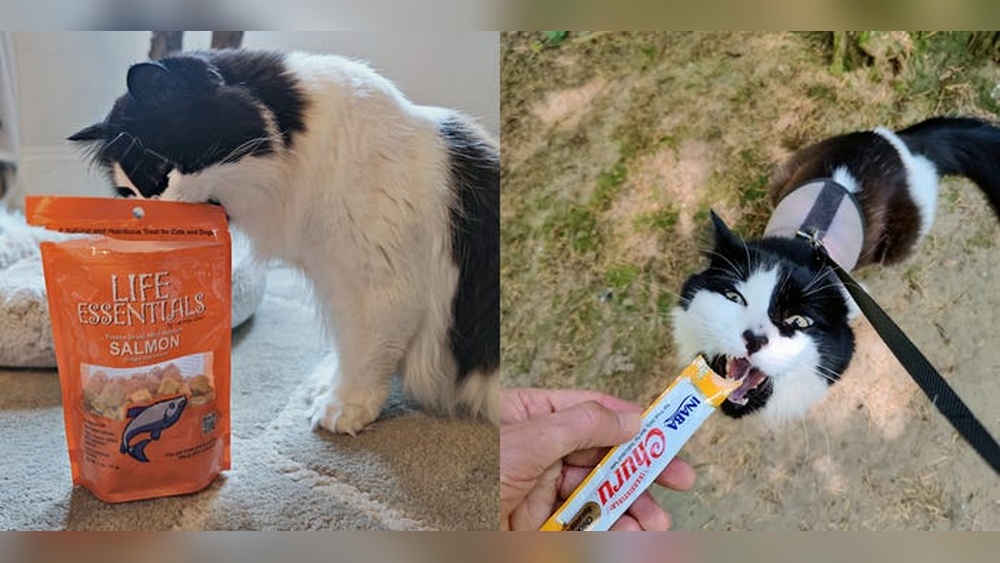
Churu treats come in a squeezable tube format, offering a smooth, puree-like consistency that most cats find highly appealing. The lickable format makes it easy to hand-feed directly, which can strengthen the bond between owner and cat during treat time. Many owners also appreciate how mess-free the format is compared to crumbly or greasy treats.
Benefits:
- Smooth, lickable texture appeals to picky eaters
- Convenient squeeze-tube format for hand feeding
- Useful for hiding medication when needed
Best use: A great option for bonding moments, picky eaters, or situations where hand-feeding helps build trust, such as with shy or newly adopted cats. It also works well as a calming ritual before nail trims or vet visits.
2. Temptations Classic Crunchy and Soft Cat Treats, Tasty Chicken Flavor
This treat combines a crunchy outer shell with a soft center, giving cats a satisfying textural contrast in every piece. The chicken flavor is a reliable favorite for many cats, making it a dependable go-to for everyday treating. Because the pieces are small and individually shaped, they’re easy to portion out without much thought.
Benefits:
- Combination texture appeals to a wide range of preferences
- Individual pieces make portion control easier
- Widely available and budget-friendly
Best use: Ideal for everyday treating or as a training reward, since the small individual pieces are easy to dispense one at a time and carry in a pocket or treat pouch during training sessions.
3. Temptations Creamy Puree Squeezable Lickable Cat Treats
Similar in format to Churu treats, this creamy puree option offers a smooth, lickable texture that many cats find irresistible. It works well as a standalone treat or mixed into regular food to encourage a picky eater to finish a meal. The squeeze format also makes it simple to portion out small amounts throughout the day.
Benefits:
- Creamy texture is easy for cats of all ages to eat
- Can be used as a topper to encourage eating
- Convenient no-mess squeeze format
Best use: Well-suited for picky eaters, senior cats with dental sensitivities, or as an occasional food topper to boost interest in a meal that might otherwise go untouched.
Practical Tips for Giving Cat Treats
Choosing a good treat is only part of the equation. How and when you give treats matters just as much for your cat’s health and behavior.
Follow the 10 percent rule. Treats should make up no more than about 10 percent of your cat’s daily caloric intake, with the rest coming from a balanced main diet. This helps prevent unintentional weight gain over time.
Use treats purposefully. Reserve treats for training, bonding, or specific positive reinforcement moments rather than giving them simply because your cat is asking. This keeps treats meaningful rather than routine.
Break larger treats into smaller pieces. This helps you give more frequent rewards during training sessions without significantly increasing total calories, especially useful for multi-step training goals.
Watch for ingredient sensitivities. If your cat has known food sensitivities, check treat labels just as carefully as you would main meal ingredients, since flavorings and fillers can sometimes trigger a reaction.
Store treats properly. Keep packages sealed tightly and away from heat to preserve freshness, especially with soft or lickable formats that can dry out or spoil faster than dry kibble.
Rotate flavors occasionally. Even cats with a favorite flavor can benefit from some variety, which helps prevent 
Common Mistakes to Avoid When Giving Cat Treats
Even well-meaning cat owners can fall into a few avoidable habits. Here’s what to watch for:
1. Overfeeding Treats
It’s easy to lose track of how many treats add up over a day, especially with small, bite-sized pieces. Excess treats can quickly lead to unwanted weight gain over time, even if each individual piece seems insignificant.
2. Using Treats as a Meal Replacement
Treats are not formulated to provide complete nutrition. Relying on them in place of regular meals can leave gaps in your cat’s diet, particularly around essential vitamins and minerals.
3. Ignoring the Ingredient List
Not all treats are created equal, even among popular brands. Some rely more heavily on fillers or artificial additives, so it’s worth checking labels rather than choosing by packaging alone.
4. Giving Treats Inconsistently for Training
Random or inconsistent treat timing can confuse a cat during training. Rewards should closely follow the desired behavior to reinforce the connection effectively, ideally within a few seconds of the action.
5. Introducing New Treats Too Quickly
Switching treat brands or flavors abruptly can occasionally cause mild digestive upset. Introducing new treats gradually, alongside familiar options, is the safer approach, especially for cats with sensitive stomachs.
Frequently Asked Questions
How many treats can I give my cat per day?
As a general guideline, treats should make up no more than about 10 percent of your cat’s total daily calories. The exact amount depends on the treat’s calorie density and your cat’s overall diet, so checking the packaging is always a good idea before establishing a routine.
Are lickable or puree treats safe for cats to eat regularly?
Yes, in moderation. Lickable treats can be a great option for hydration and bonding, but like any treat, they should stay within the recommended daily calorie allowance rather than replacing a balanced meal.
Can treats be used to hide medication?
Yes, many owners use soft or lickable treats to disguise pills or liquid medication. Check with your veterinarian to make sure the specific treat won’t interfere with the medication’s effectiveness, since some formulas may not mix well with certain medications.
What’s the best treat texture for senior cats?
Soft, creamy, or lickable treats are often easier for senior cats to eat, especially those with dental sensitivities or missing teeth. Crunchy treats can still work well for cats with healthy teeth and gums, so texture preference really comes down to your cat’s individual dental health.
Why does my cat refuse certain treats but love others?
Cats have strong individual preferences for texture, smell, and flavor. It often takes some trial and error to find the format and flavor your specific cat responds to best, and preferences can even shift over time as cats age.
Final Thoughts
Choosing the best treats for cats comes down to understanding your cat’s individual preferences and using treats with intention rather than habit. Texture, flavor, and purpose all play a role in whether a treat actually serves its intended function, whether that’s training, bonding, or simply a special moment together.
Keep portion control in mind, since treats can add up in calories faster than expected, and remember that they’re meant to complement a balanced diet rather than replace it. Paying attention to ingredient quality matters here just as much as it does with everyday meals, even for something as small as a treat.
As always, if you notice any signs of digestive upset or unexpected weight changes after introducing a new treat, check in with your veterinarian to make sure your cat’s overall diet remains balanced and appropriate for their needs.