Finding the best treats for senior cat companions takes a bit more thought than shopping for a younger cat’s snacks. As cats age, their teeth, digestion, and appetite can all shift, which means the treats that worked fine in their younger years might not be the most comfortable or appropriate choice anymore. The right treat can still bring joy to mealtime while supporting your senior cat’s changing needs.
In this guide, we’ll cover what to look for when choosing treats for an aging cat. We’ll highlight a few trusted options, share practical feeding tips, and point out common mistakes many owners make without realizing it. By the end, you’ll have a clearer sense of how to keep treat time both enjoyable and appropriate for your senior companion.
Why Senior Cats Need a Different Approach to Treats
Aging brings a range of changes that can directly affect how a cat eats and what they can comfortably enjoy. Dental issues, such as worn teeth or gum sensitivity, are common in older cats and can make hard, crunchy treats uncomfortable or even painful to chew.
Digestion can also become more sensitive with age, meaning treats with heavy fillers or unfamiliar ingredients may cause more noticeable upset than they would in a younger cat. On top of that, appetite itself can fluctuate, with some senior cats becoming pickier or less interested in food overall.
It’s also worth remembering that these changes rarely happen all at once. They tend to develop gradually, which is part of why staying observant matters so much with an aging cat.
When choosing the best treats for senior cat needs, a few qualities matter most:
- Soft or lickable textures that are easier on aging teeth and gums
- Simple, easily digestible ingredients to reduce the chance of stomach upset
- Hydration support, since older cats can be more prone to mild dehydration
- Palatability, since strong aroma and flavor can help tempt a reduced appetite
- Low calorie density, especially for less active senior cats prone to weight gain
Keeping these factors in mind makes it much easier to choose treats that genuinely suit an aging cat, rather than just defaulting to whatever was on the shelf. It’s also worth revisiting your choices periodically, since a senior cat’s needs at ten years old may look quite different from their needs at fifteen.
Top Picks: Best Treats for Senior Cat
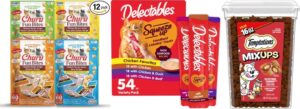
Here are three well-regarded options, each suited to a slightly different senior cat need. Consider your cat’s dental health, appetite, and texture preferences before choosing, since the right fit often comes down to your individual cat’s current stage of aging rather than a one-size-fits-all answer.
1. Inaba Churu Cat Treats
Churu treats come in a squeezable, puree-like format that requires no chewing at all, making them an especially comfortable option for cats with dental sensitivities. The smooth texture and strong aroma also make them appealing to senior cats with a reduced appetite.
Benefits:
- No chewing required, ideal for cats with dental issues
- Strong aroma helps tempt a picky or reduced appetite
- Can double as a way to sneak in extra hydration
Best use: A great everyday option for senior cats with dental sensitivities or a fluctuating appetite, and a useful tool for hiding medication when needed.
2. Delectables Bisque Lickable Wet Cat Treats
This lickable bisque format offers a smooth, broth-like consistency that’s gentle on aging teeth while still delivering a rich, savory flavor. The liquid-forward texture can also provide a small hydration boost alongside the treat itself.
Benefits:
- Smooth, easy-to-lick texture requires minimal effort to eat
- Adds a bit of extra moisture to your cat’s routine
- Rich flavor appeals to cats with a diminished sense of smell or taste
Best use: Well-suited for senior cats who need extra encouragement to eat, or those with dental discomfort who benefit from a treat they don’t need to chew.
3. Temptations Cat Treats Mixups, Backyard Cookout Flavor
For senior cats who still have healthy teeth and enjoy a bit of crunch, this treat offers a lighter, more brittle texture than standard hard treats. The variety of flavors in each mix can also help maintain interest for cats who tend to get bored easily.
Benefits:
- Light, crunchy texture suitable for cats with healthy teeth
- Multiple flavors in one bag help prevent flavor fatigue
- Small bite size makes portion control simple
Best use: A good option for senior cats without significant dental issues who still enjoy the sensation of a crunchy treat, or as an occasional variety alongside softer daily options.
Practical Tips for Treating a Senior Cat
Choosing the right treat is only part of caring for an aging cat well. A few feeding habits can make treat time safer and more enjoyable, and many of these tips apply just as much to daily meals as they do to occasional treats.
Check for dental discomfort regularly. If your senior cat suddenly avoids crunchy treats they used to enjoy, it may be worth a dental checkup rather than assuming it’s just changing preferences.
Warm treats slightly if appetite is low. A gentle warm-up can enhance aroma and make food more appealing to a senior cat with a diminished sense of smell.
Keep portions modest. Senior cats are often less active, so even healthy treats should stay within a reasonable portion of their daily calorie intake to avoid unwanted weight gain.
Use treats to support hydration. Lickable or broth-based treats can offer a gentle way to increase fluid intake, which is especially useful for senior cats prone to mild dehydration or kidney concerns.
Watch for changes in appetite over time. A gradual decline in interest, even in favorite treats, is worth mentioning to your veterinarian, since it can sometimes signal an underlying health issue.
Common Mistakes to Avoid With Senior Cat Treats
Even attentive owners can fall into a few avoidable habits when it comes to treating an aging cat, often simply because these habits worked fine for years and don’t feel like they need reconsidering. Here’s what to watch for:
1. Sticking with Hard Treats Despite Dental Issues
Continuing to offer crunchy treats after noticing signs of dental discomfort can make mealtime unpleasant. Switching to a softer format often makes a noticeable difference.
2. Overlooking Calorie Content
Senior cats are often less active, so treats that were fine in younger years can contribute more easily to weight gain later in life. Checking calorie density remains important even for trusted go-to treats.
3. Ignoring Gradual Appetite Changes
A slow decline in interest in food or treats can be easy to miss day to day. Tracking these changes over time helps catch potential health issues earlier.
4. Assuming All Treats Are Equally Easy to Digest
Older cats can be more sensitive to fillers or unfamiliar ingredients than they were when younger. It’s worth paying closer attention to ingredient lists than you might have in the past.
5. Switching Treats Too Abruptly
A sudden change in treat brand or texture can occasionally cause digestive upset, particularly in cats with more sensitive stomachs. A gradual transition remains the safer approach at any age.

Frequently Asked Questions
What treat texture is best for senior cats with dental issues?
Soft, lickable, or puree-style treats are generally easiest for senior cats with dental sensitivities to eat comfortably. These formats require little to no chewing, which can make a real difference for cats with worn teeth or gum discomfort.
How many treats can I give my senior cat per day?
As with cats of any age, treats should make up no more than about 10 percent of your senior cat’s total daily calories. Since senior cats are often less active, it’s worth being especially mindful of portion sizes.
Can treats help a senior cat who isn’t eating well?
Yes, in some cases. Strongly aromatic or flavorful treats can help tempt a reduced appetite, but a persistent lack of interest in food should always be discussed with your veterinarian rather than managed with treats alone.
Are lickable treats good for senior cat hydration?
Yes. Lickable and broth-based treats contain more moisture than dry options, which can offer a small hydration boost, especially useful for senior cats who don’t drink much water on their own.
When should I switch my senior cat to softer treats?
If you notice your cat hesitating around crunchy treats, dropping food while chewing, or generally avoiding treats they once enjoyed, it’s a good time to consider softer options and mention the change to your veterinarian.
Final Thoughts
Choosing the best treats for a senior cat comes down to paying close attention to how their needs have changed over time. Texture, hydration, and calorie content all play a bigger role as cats age, even if the treats themselves seem like a small part of their overall diet.
Keep an eye on how your cat responds to different formats, and don’t hesitate to adjust as dental health, appetite, or activity levels shift. What worked well in earlier years may not be the most comfortable or appropriate option anymore, and that’s a normal part of caring for an aging cat.
As always, if you notice significant changes in appetite, weight, or interest in treats, check in with your veterinarian to rule out any underlying health concerns and make sure your senior cat’s overall diet remains well-suited to their current stage of life.
Treat time can still be one of the most rewarding parts of caring for a senior cat, even as their needs shift. A little extra attention to texture, portion size, and ingredient quality goes a long way toward keeping those moments comfortable and enjoyable for both of you well into their later years.