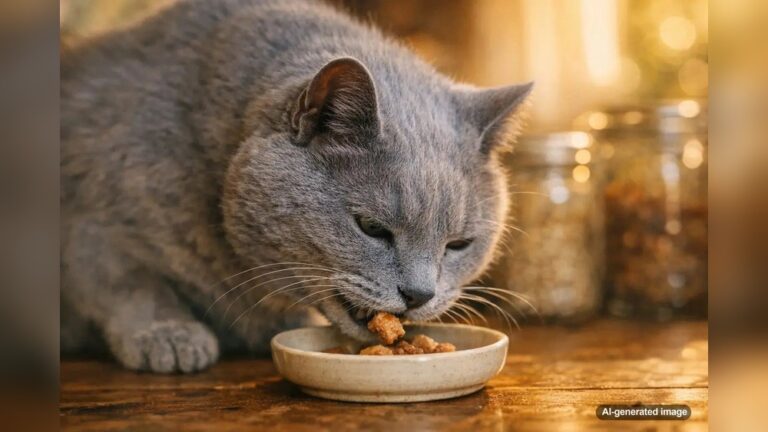
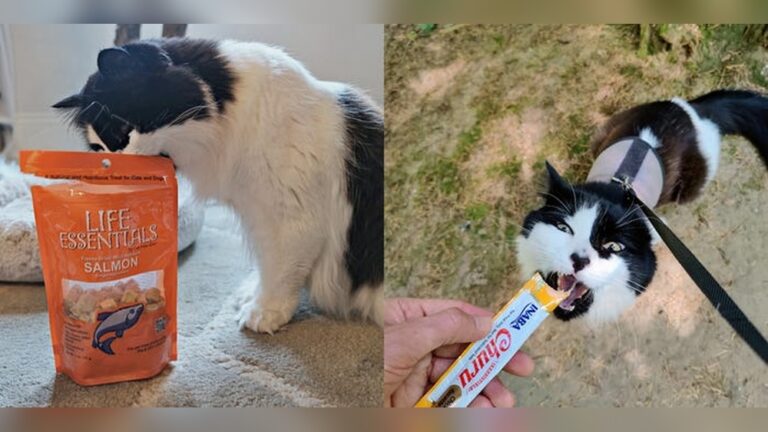
Finding healthy cat treats can feel like a balancing act. You want something your cat genuinely enjoys, but you also don’t want to undo the good work of a balanced daily diet with empty calories or unnecessary fillers. The good news is that healthy doesn’t have to mean boring, and there are plenty of options that satisfy both goals at once.
In this guide, we’ll cover what actually makes a treat healthy rather than just marketed that way. We’ll highlight a few trusted options, share practical tips for treating responsibly, and point out common mistakes many cat owners make without realizing it. By the end, you’ll have a clearer sense of how to reward your cat without compromising their overall nutrition.
What Makes a Treat Healthy for Cats?
Not every treat labeled as premium or natural actually holds up under closer inspection. When looking for healthy cat treats, a few specific qualities matter more than flashy packaging or marketing claims.
A short, recognizable ingredient list is often a strong indicator of quality. Treats made from a single protein source, like freeze-dried meat or fish, tend to avoid unnecessary fillers, artificial colors, and preservatives found in some lower-quality options. When you can read and understand every item on the label, that’s usually a good sign.
Low calorie density also matters, since treats can add up quickly even when they seem small. A treat that’s naturally low in calories gives you more flexibility to reward your cat often without tipping their daily intake out of balance. This is especially important for indoor or less active cats who don’t burn off extra calories as easily.
Minimal processing is another sign worth watching for. Freeze-dried and dehydrated treats often retain more of their original nutritional value compared to heavily processed alternatives, while still offering the crunch or texture many cats enjoy. Processing methods that involve less heat and fewer additives tend to preserve more of the natural protein structure.
Finally, purpose-built formulas, such as treats designed for dental health, hairball control, or indoor cats, can offer added functional benefits beyond simply being a tasty reward. These formulas are worth considering if your cat has a specific need beyond general snacking.
Top Picks: Healthy Cat Treats

Here are three well-regarded options that hold up well against the criteria above. Consider your cat’s texture preferences and any specific health goals before choosing.
1. Vital Essentials Freeze-Dried Minnows Cat Treats
These treats are made from a single ingredient: whole freeze-dried minnows. The minimal processing preserves much of the natural nutritional profile, while the crunchy texture appeals to cats that enjoy a more traditional prey-like treat. Since there’s only one ingredient involved, it’s easy to know exactly what your cat is eating.
Benefits:
- Single-ingredient formula with no fillers or additives
- High protein content from a whole-food source
- Freeze-drying preserves nutrients better than heavy processing
Best use: A great option for owners who want a minimally processed, single-ingredient treat, especially for cats with sensitivities to multi-ingredient formulas or a preference for whole-food textures.
2. Vital Essentials Freeze-Dried Chicken Breast Cat Treats
Similar in philosophy to the minnow treats, this option uses single-source freeze-dried chicken breast as its only ingredient. It’s a versatile choice that works well both as a standalone treat and broken up as a training reward, thanks to its light, brittle texture.
Benefits:
- Simple, single-ingredient recipe
- Lean protein source with naturally low fat content
- Easy to break into smaller pieces for portion control
Best use: Well-suited for everyday treating, training sessions, or as a topper to encourage a picky eater, thanks to its versatile size and mild flavor that most cats readily accept.
3. Greenies Feline SmartBites, Healthy Recipe, Indoor Cat Treats (Tuna Flavor)
This option is formulated specifically with indoor cats in mind, combining a tasty tuna flavor with added fiber to support hairball control. It offers a more traditional crunchy treat format for cats that prefer that texture over freeze-dried options, while still keeping calorie content relatively modest per piece.
Benefits:
- Formulated to support hairball control in indoor cats
- Lower calorie recipe designed with everyday treating in mind
- Crunchy texture many cats find satisfying
Best use: A solid choice for indoor cats prone to hairballs, or owners looking for a purpose-built treat that offers more than just flavor.
Practical Tips for Giving Healthy Cat Treats
Choosing a quality treat is only half the equation. How you incorporate treats into your cat’s routine matters just as much for keeping them genuinely healthy.
Stick to the 10 percent rule. Treats, regardless of how healthy they are, should make up no more than about 10 percent of your cat’s total daily calories, with the rest coming from a complete and balanced main diet. This keeps treating from quietly displacing essential nutrition.
Read the label, not just the front of the package. Terms like “natural” or “premium” aren’t strictly regulated, so it’s worth checking the actual ingredient list rather than relying on packaging claims alone. A quick label check takes seconds and tells you far more than marketing language ever will.
Use treats with intention. Reserve treats for training, positive reinforcement, or bonding moments rather than giving them simply because your cat is asking or meowing at you. This keeps treats meaningful and helps avoid unnecessary extra calories throughout the day.
Break treats into smaller pieces when possible. This is especially useful during training, allowing you to reward more frequently without significantly increasing total calories, which matters a lot during longer training sessions.
Rotate between a couple of trusted options. Even healthy treats can lead to flavor fatigue over time. Having two or three go-to options on hand helps keep things interesting without introducing something entirely new too often.
Pair treats with activity when possible. Using a treat to encourage play, like tossing a small piece for your cat to chase, adds a bit of extra movement alongside the reward itself.

Common Mistakes to Avoid With Healthy Cat Treats
Even attentive cat owners can fall into a few avoidable habits. Here’s what to watch for:
1. Assuming Healthy Means Unlimited
Even a high-quality, low-calorie treat can contribute to weight gain if given without any portion awareness. Healthy still means moderation matters, regardless of how clean the ingredient list looks.
2. Overlooking Calorie Density
Some treats marketed as healthy are still fairly calorie-dense per piece. Checking the calorie count per treat, not just the ingredient list, helps avoid unintentional overfeeding over the course of a day.
3. Using Treats to Replace Meals
Treats, even nutritious ones, aren’t formulated to provide complete and balanced nutrition on their own. They should complement a main diet, not substitute for any portion of it, even occasionally.
4. Ignoring Your Cat’s Individual Health Needs
A treat that works well for one cat may not be ideal for another, particularly if your cat has specific dietary restrictions, allergies, or health conditions. Always factor in your cat’s individual needs before choosing a new option.
5. Switching Treats Too Frequently
While variety has its place, constantly rotating brands and formulas can make it harder to spot a treat that’s causing digestive upset, since you won’t have a consistent baseline to compare against when something goes wrong.
Frequently Asked Questions
Are freeze-dried treats healthier than regular cat treats?
Freeze-dried treats often involve less processing than baked or extruded alternatives, which can help preserve more of the original nutritional value. That said, whether something is truly healthier still depends on the specific ingredients and calorie content of each product, so it’s worth comparing labels directly.
How many healthy cat treats can I give my cat per day?
As a general guideline, treats should make up no more than about 10 percent of your cat’s total daily calories. The exact number of pieces depends on the specific treat’s calorie density, so checking the packaging is a good habit to build before settling into a routine.
Can healthy cat treats replace part of a regular meal?
No. Even nutritious, single-ingredient treats aren’t formulated to provide complete and balanced nutrition. They’re best used as a supplement to a full diet, not a replacement for any portion of it, no matter how wholesome the ingredients seem.
Are single-ingredient treats better for cats with allergies?
Often, yes. Single-ingredient treats reduce the number of potential allergens compared to multi-ingredient formulas, which can make it easier to identify and avoid a specific trigger if your cat has known sensitivities or a history of food reactions.
What’s the healthiest treat texture for senior cats?
This depends more on dental health than any particular label. Cats with dental sensitivities may do better with softer or freeze-dried treats that break down easily, while cats with strong teeth can typically handle crunchier options without any issue.
Final Thoughts
Choosing healthy cat treats comes down to looking past marketing claims and focusing on what’s actually in the bag. Simple ingredient lists, reasonable calorie density, and minimal processing are far more reliable indicators of quality than words like “natural” or “premium” printed on the front of the package.
Even the healthiest treat still needs to be given in moderation, since portion control matters just as much as ingredient quality when it comes to your cat’s overall diet. Pay attention to how your cat responds to different textures and formulas, and don’t hesitate to adjust based on their individual preferences and health needs over time.
As always, if you’re unsure which treats best fit your cat’s specific dietary requirements, or if you notice any changes in weight or digestion after introducing something new, check in with your veterinarian for personalized guidance tailored to your cat.